Antonisha,
Do you need to read to write well?
I've seen this debate off and on online. Certainly there's a strong case to be made for an emphatic YES to the question.
After all, as writers, you and I, we work with words as our primary method to transmit ideas. So it makes sense that the more words you consume, the better you'll be at crafting them in your own work.
But are there cases were one doesn't need to read to be a good writer?
Absolutely yes.
My brother writes clean and compellingly. He admits he doesn't read very much fiction or non-fiction in book form. He's written and published over a dozen and half titles this way.
So how does he do it?
Two things:
- Think out loud and record those thoughts via audio recordings
- Minimizes his inputs of other casual media
The first allows him to organize his thoughts so that he can later put them down in an organized manner.
I'd argue the second is more important to good writing. This is because the storytelling tools of those other mediums don't bleed into his writing.
This is important. Because many writers mistake depth of feeling for depth of communication. The two are not always connected.
Without a deliberate practice of clear thinking and controlled consumption, you may fall on storytelling habits that are not optimized for the written-medium.
You've probably read the books that are full of cultural shorthands, cliches, or lack of clarity in theme, character, and tone.
This is what can happen when writers don't read enough. They limit themselves to their individual perspective or the pre-processed views of those stories in other mediums that aren't as text-dependent.
I like to think of it as getting good at a sport. If you wanted to train for the 400 meter relay at the 2028 Olympics, what's better: running on a treadmill or on a track?
The track is practicing where you play. This is what reading (especially fiction) does for the serious writer.
Over time, through osmosis and observation, you see how other writers deal with the same limitations of words. Then over time you discover your own way of solving those same problems in the stories you want to tell.
Everyone should read (books). But those who call themselves writers, especially novelists, should read even more. It's the best thing you can do to increase your capacity to produce more curated sets of words of your own and refine your taste for what makes the cut in your stories.
What do you think?
-Keith
ANNOUNCEMENT!
This weekend Feb 21-22, 2026 I will be a vendor at Virtuous Con 2026!
It's online, so stop by and say hi if you get a chance.
It would be great to meet you!
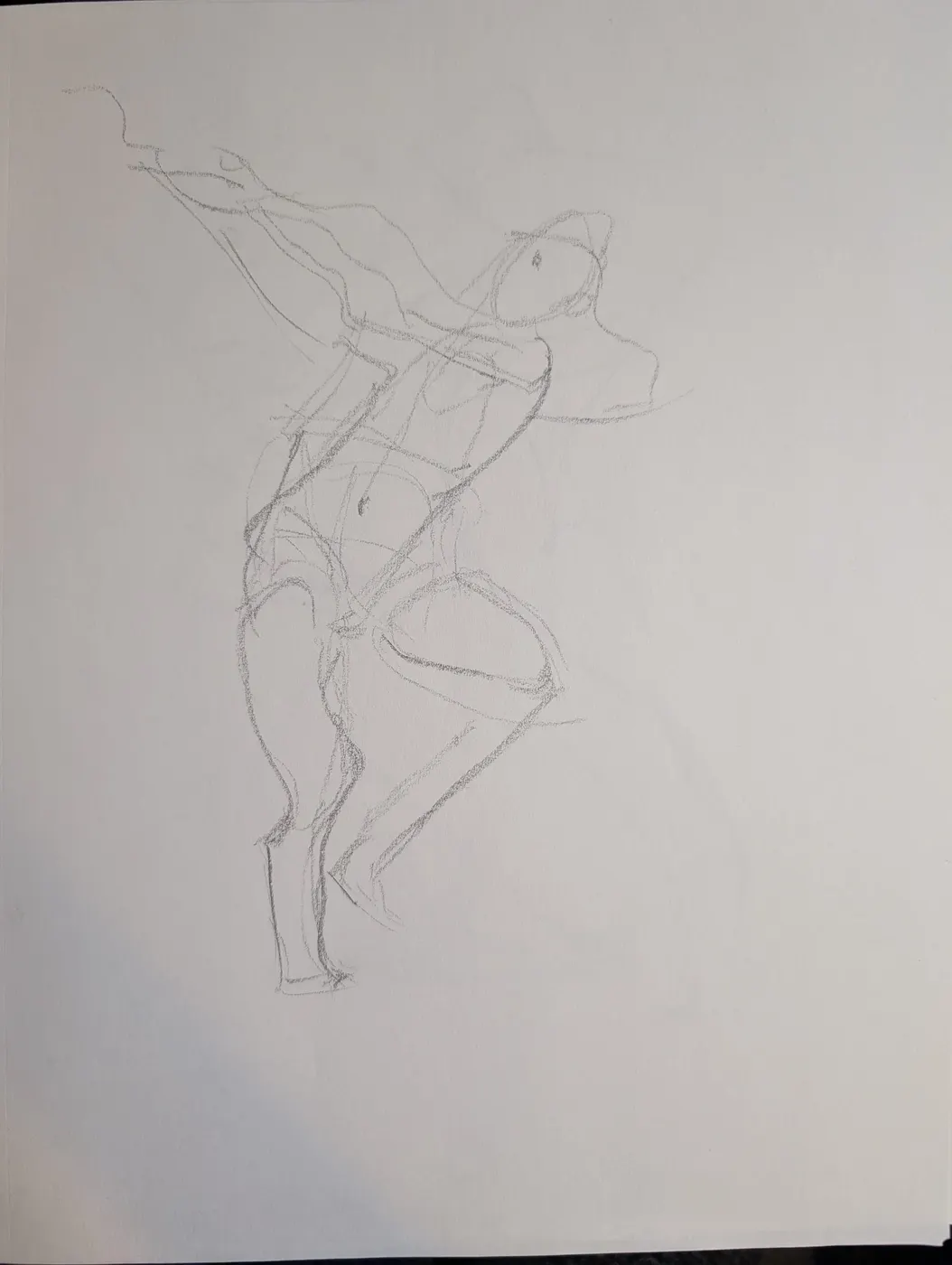
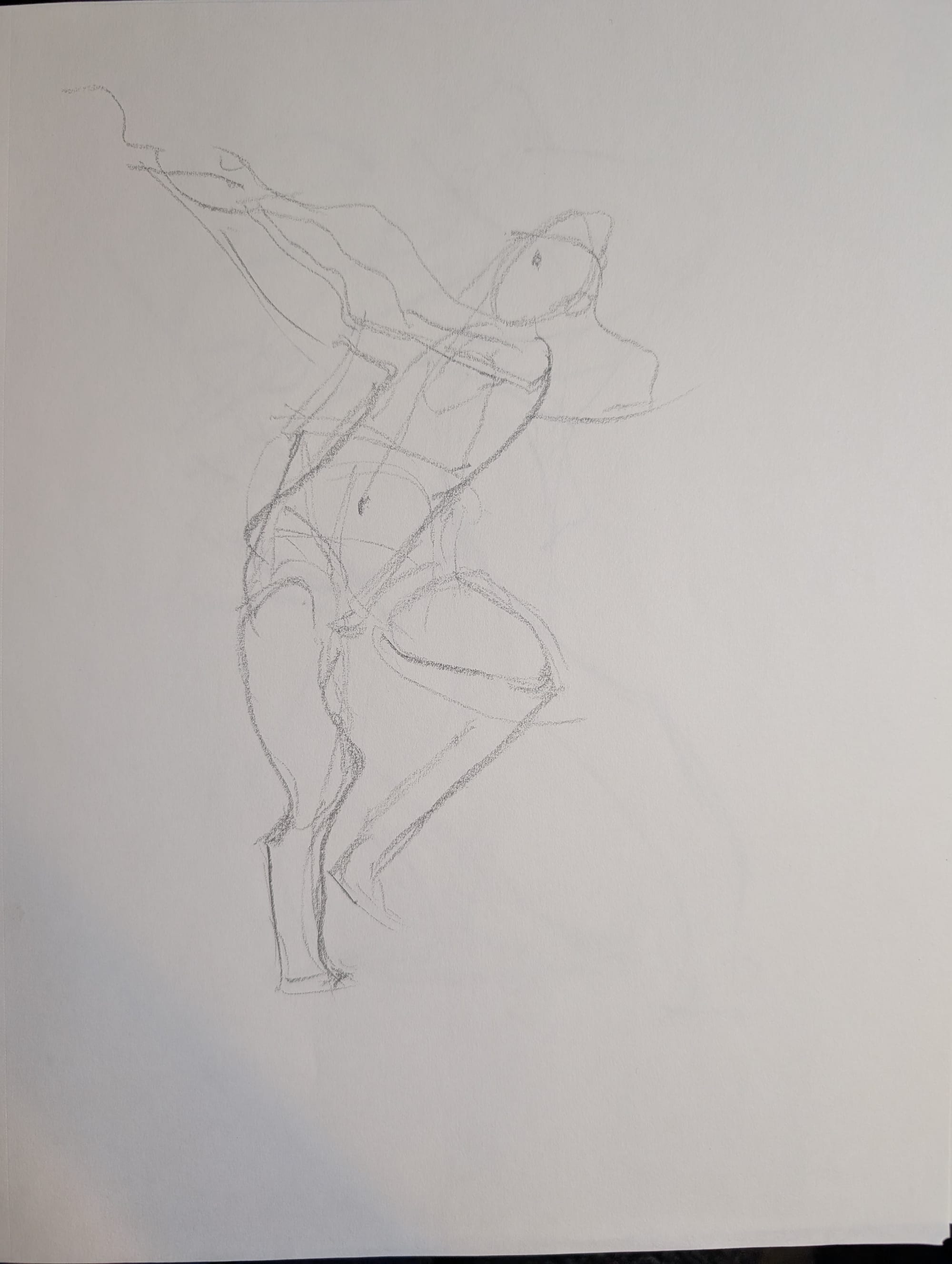
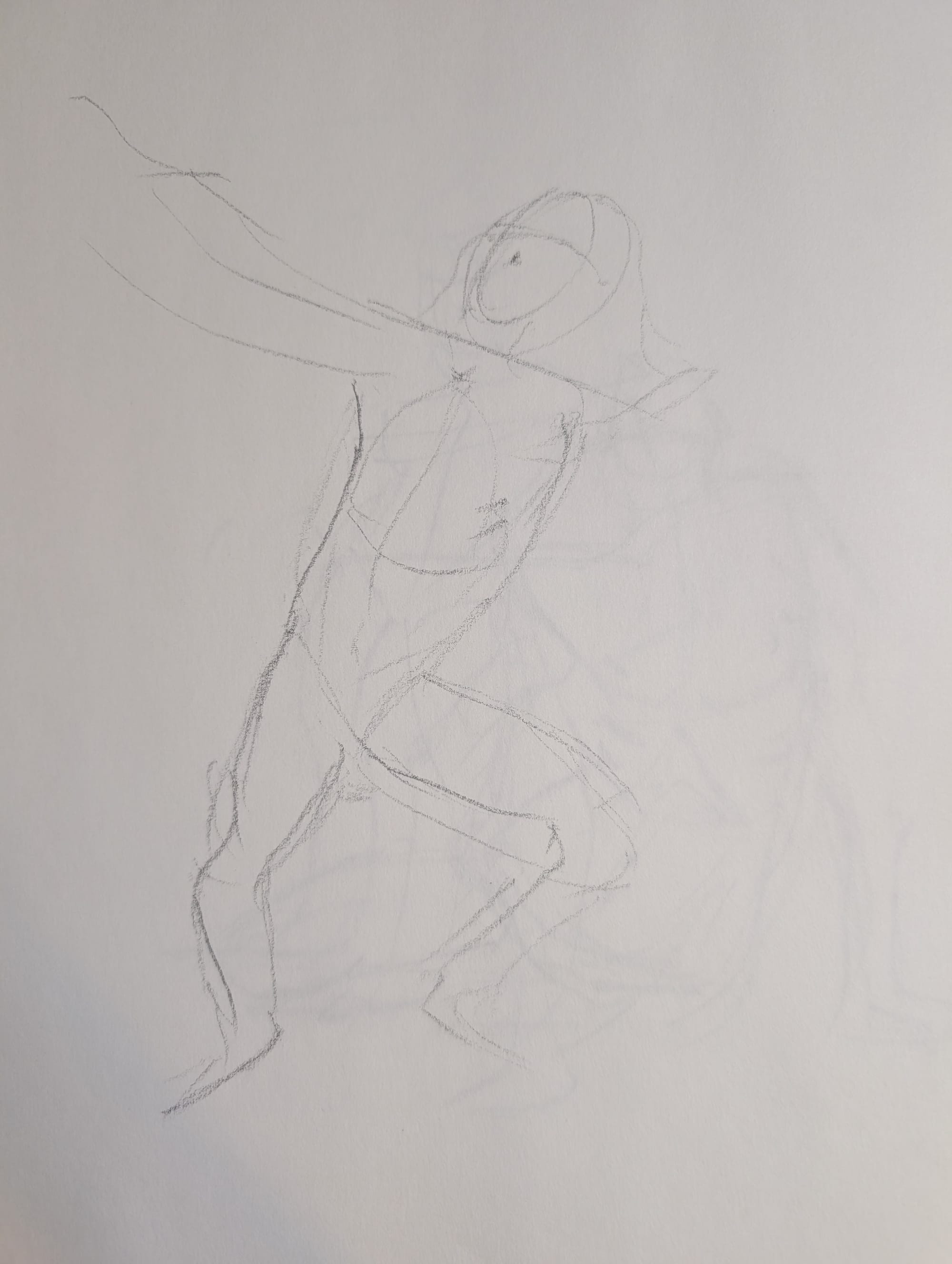
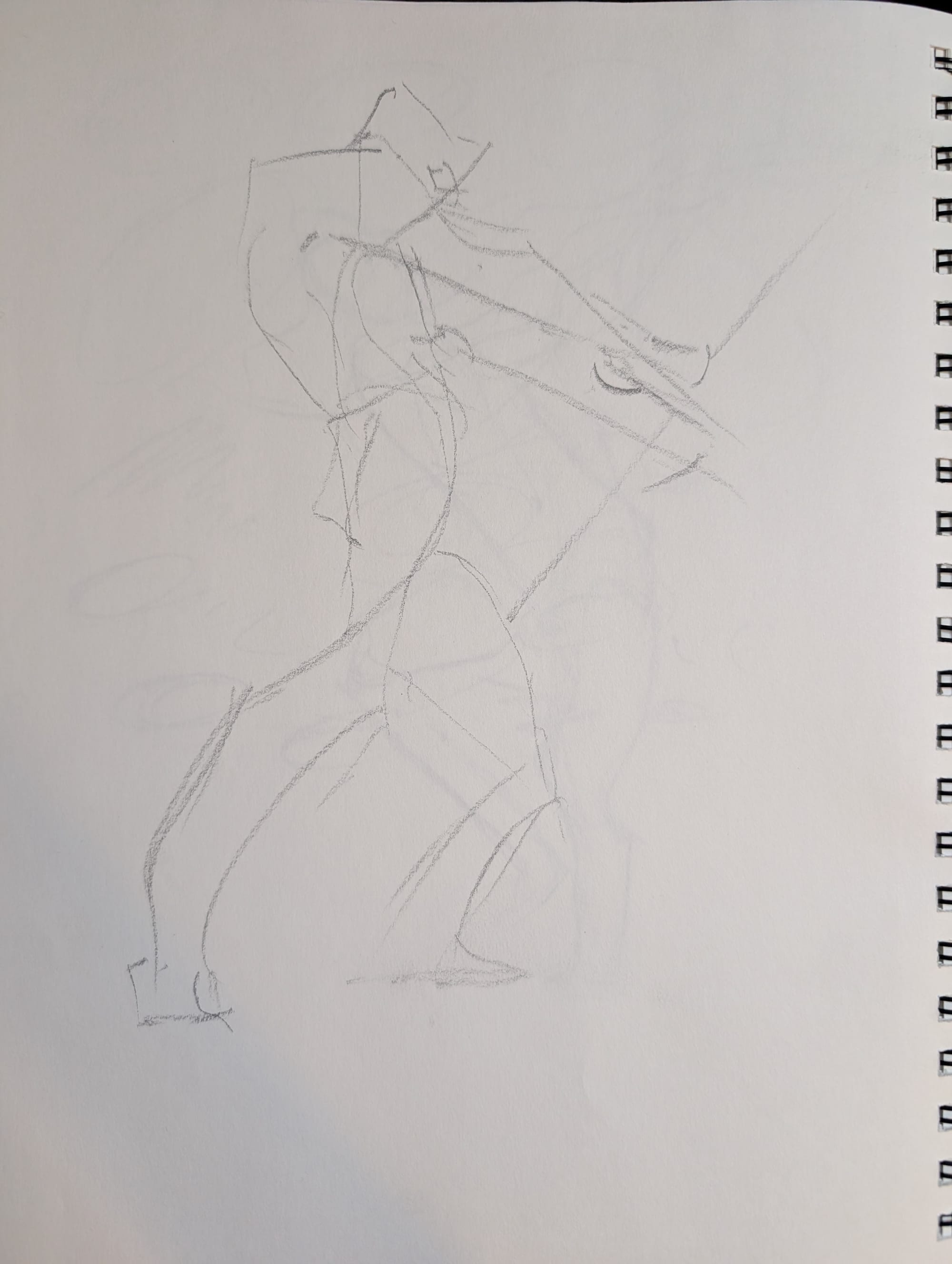
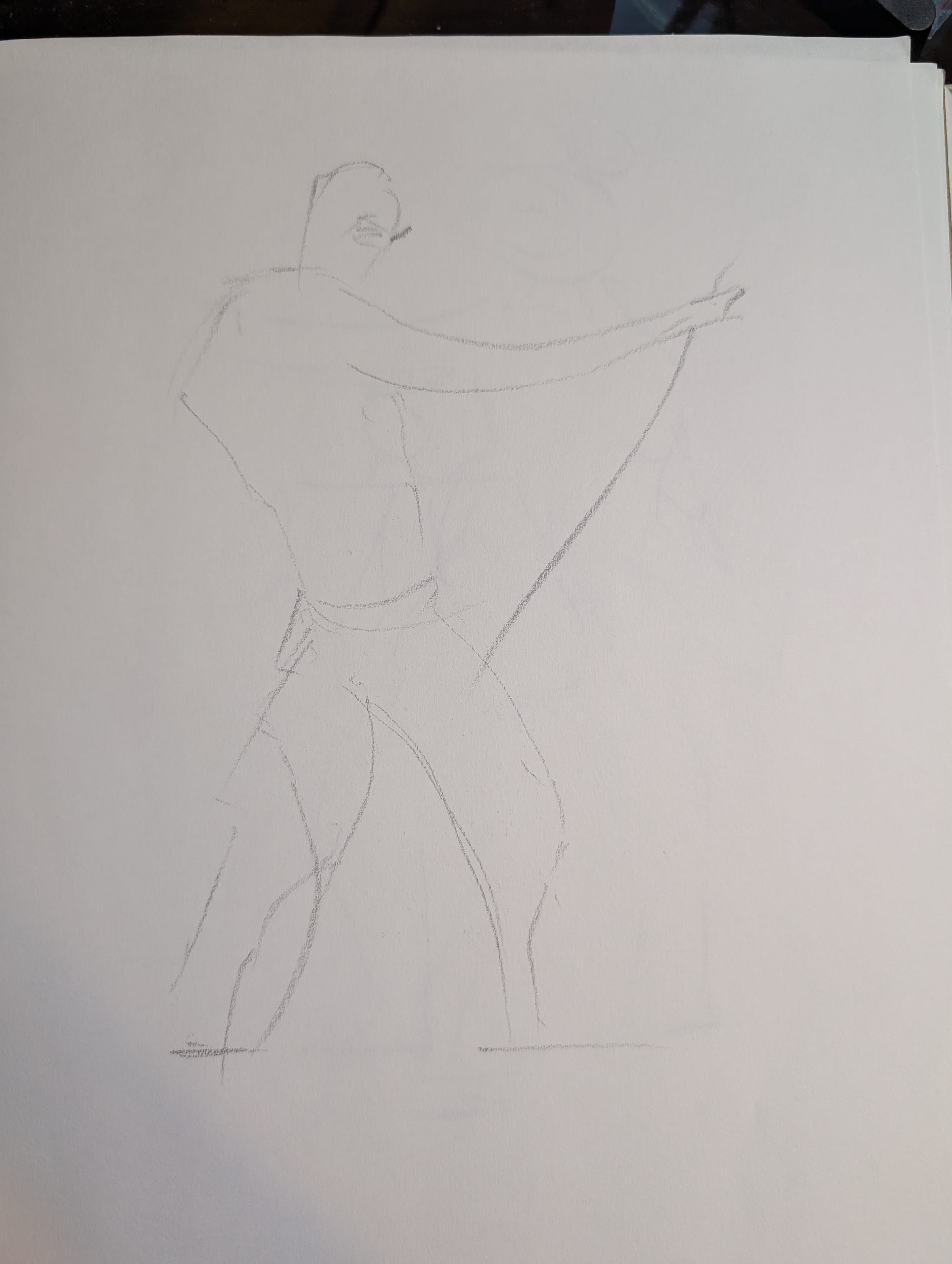
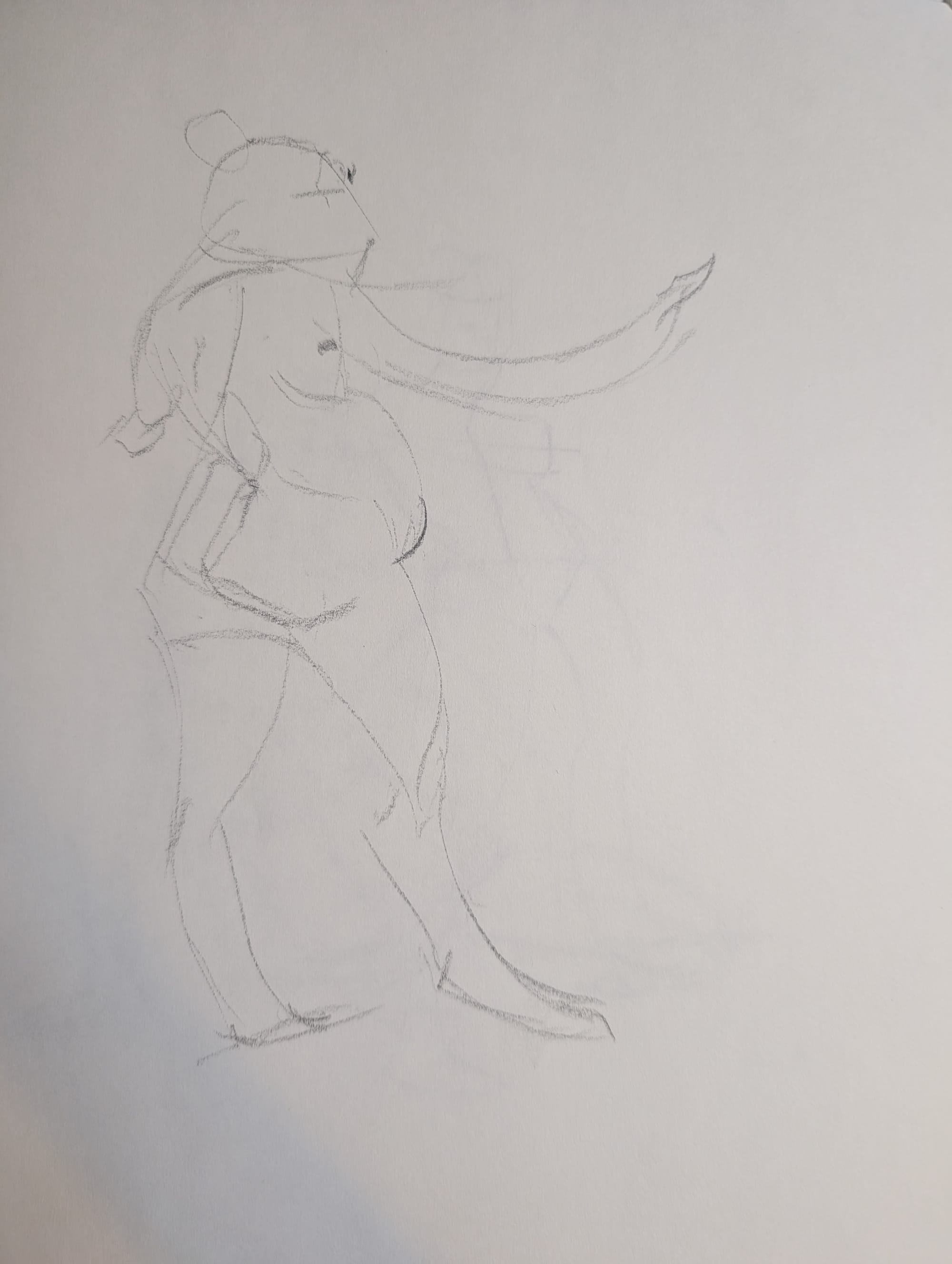
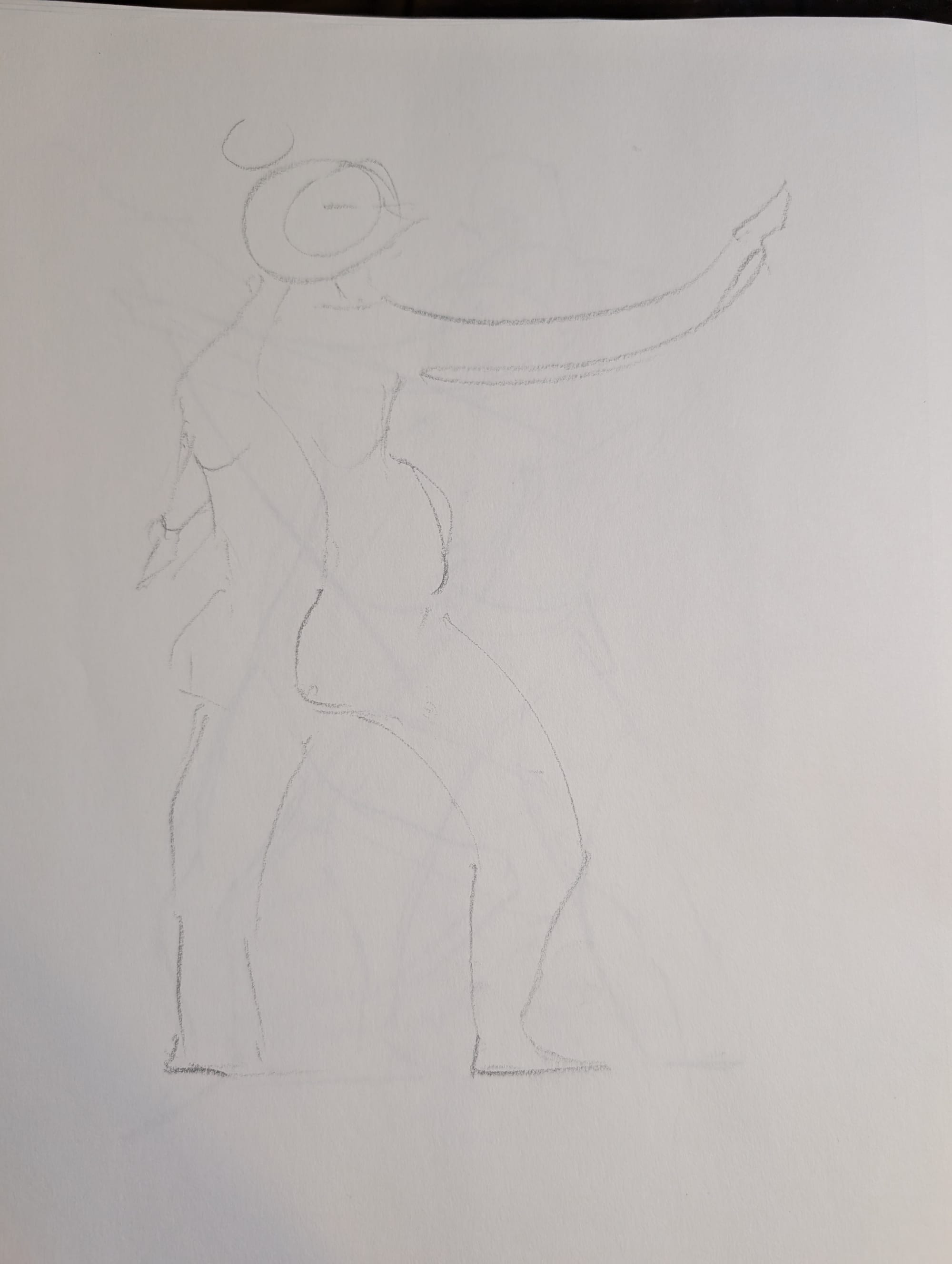
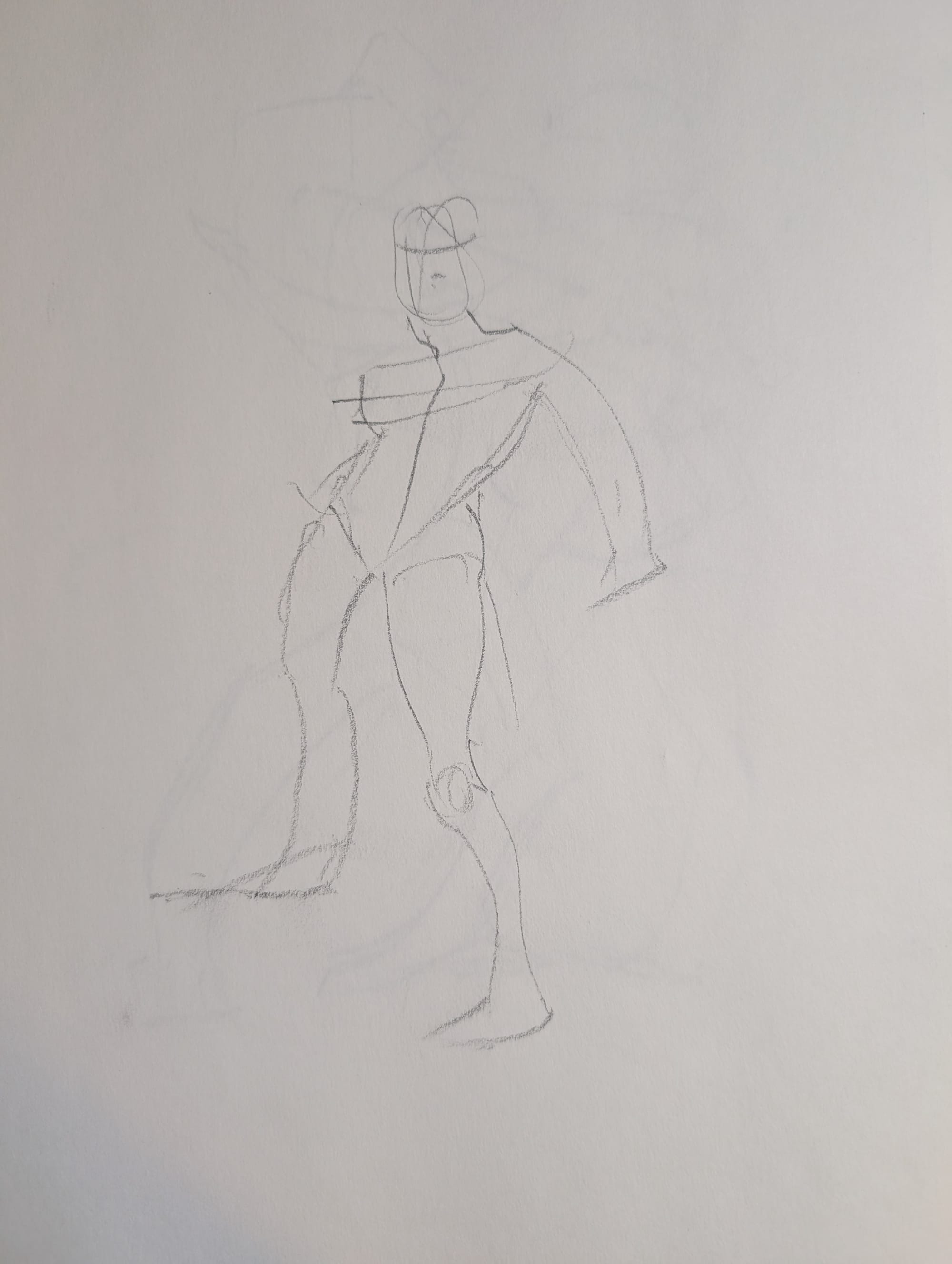
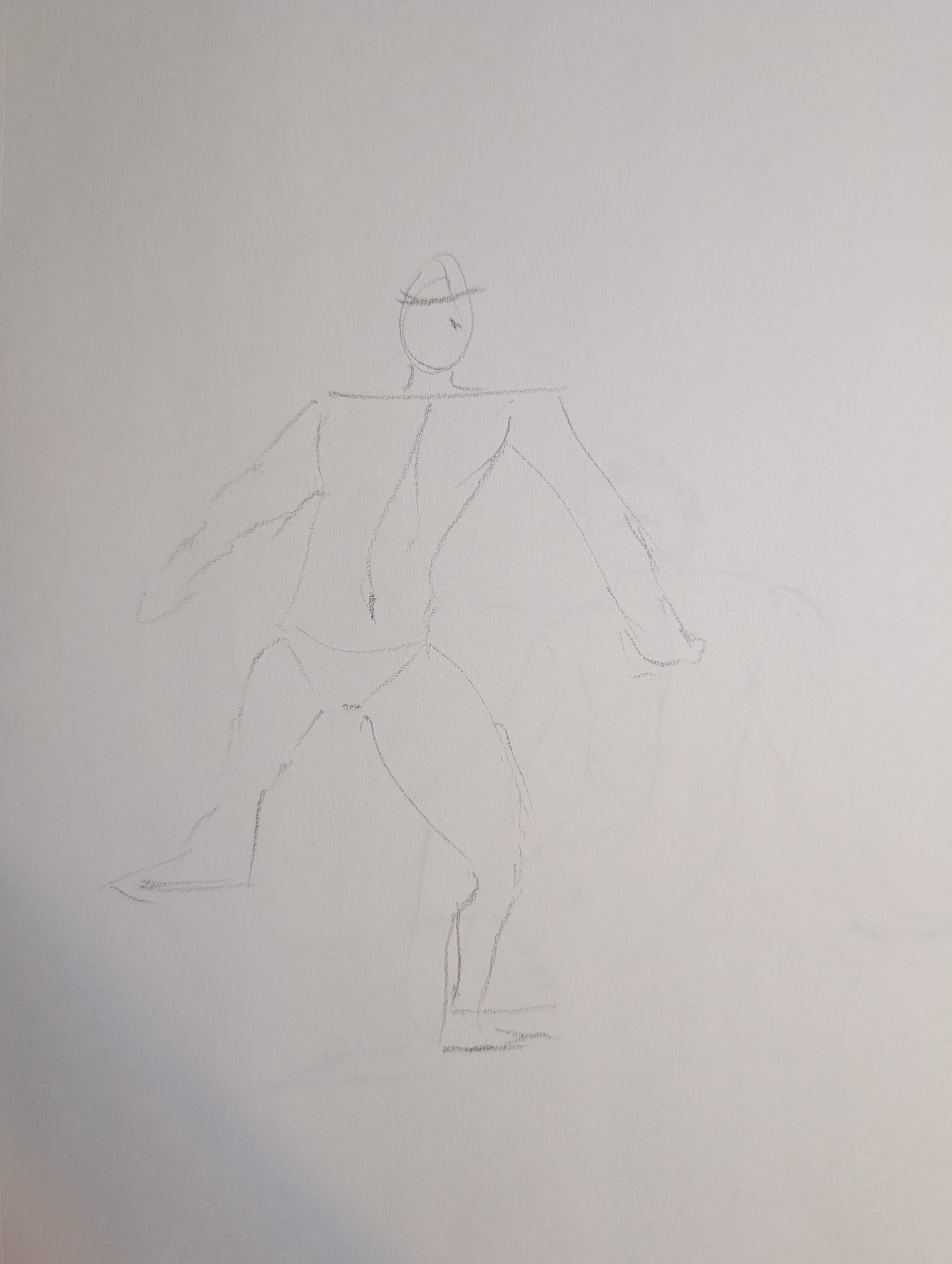
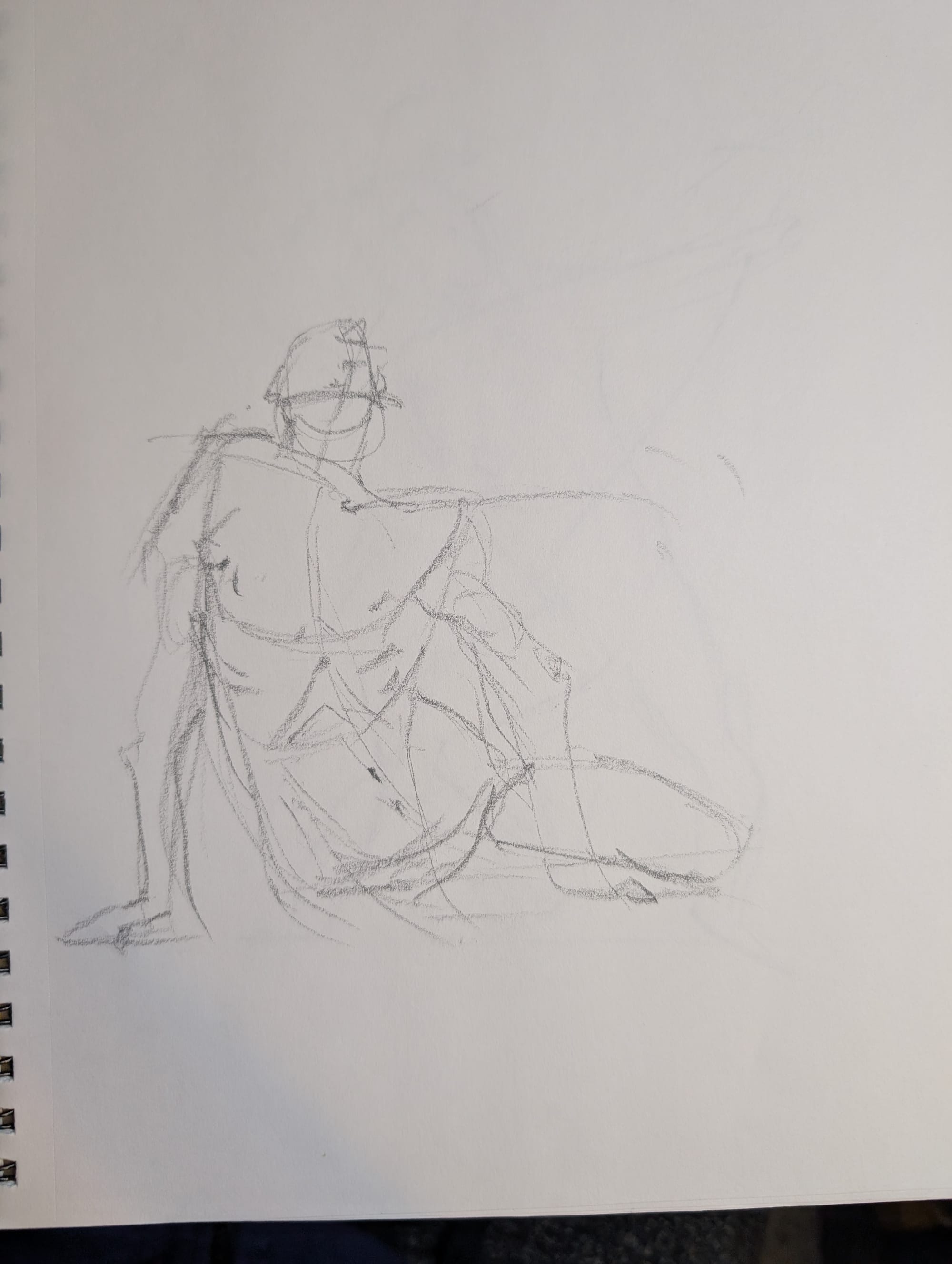
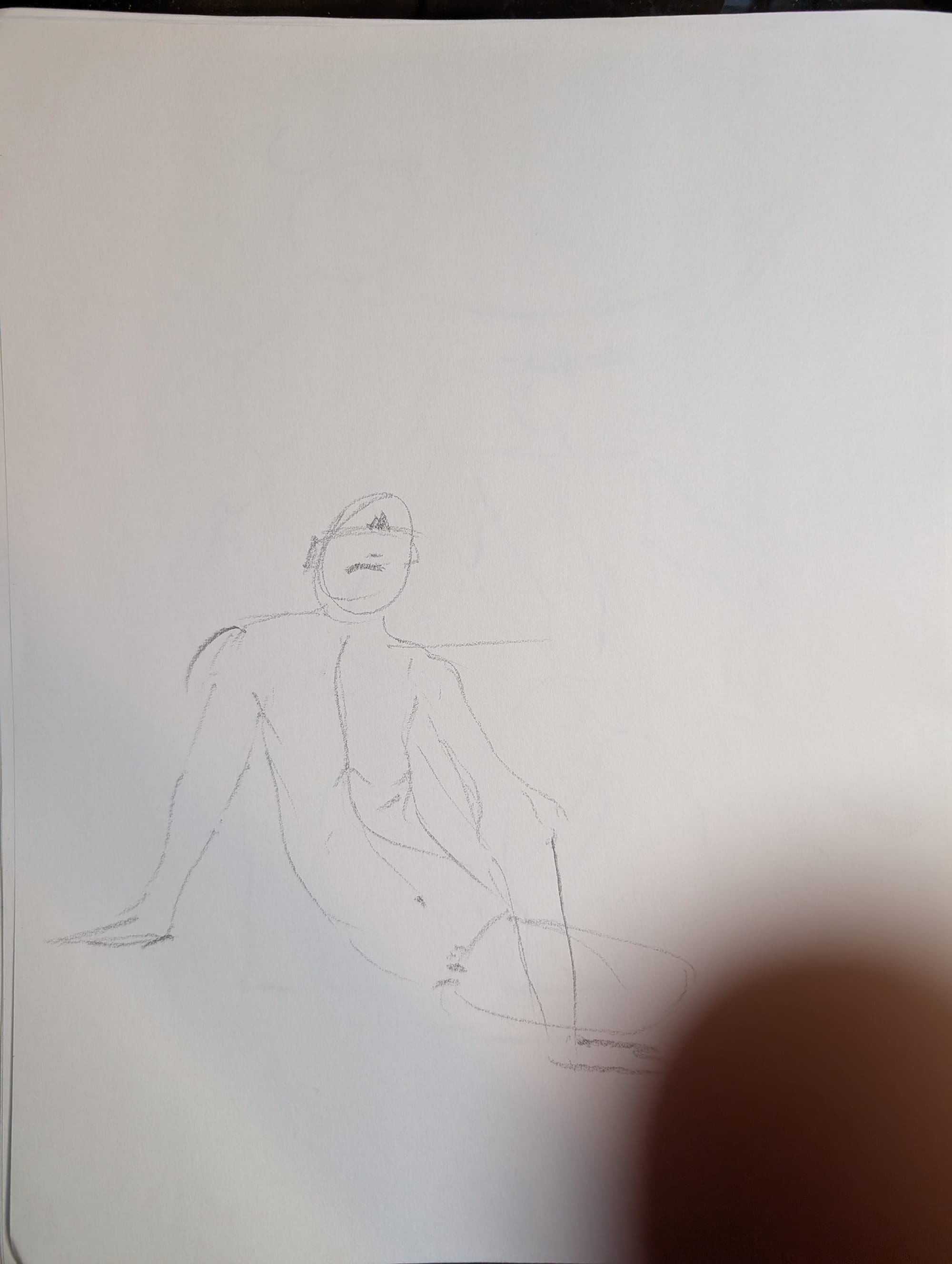
Session 1: Drawing (35 mins)
- Begin Rhythms Project
Drew along with the project description (these were really fasts sketches done in under 5 mins each).
Then redrew each one from memory. Those were done in under 2 mins due to lack of time.
If you ever decide to learn to draw, doing exercises from memory is the fastest way to increase your confidence and improve toward being able to draw from imagination.
Session 2: Writing (20 mins)
166 words written
Excerpt:
"it’s in Stafford. You know where?”
“Virginia, yes.”
“Ok cool. Tomorrow at 8PM, come down alone. It’s about your Dad, y’know?”
“I figured. Who are—”
There were only beeps signaling he’d gone.
Session 3: Coding (25 mins)
- Introduction to ARIA (DONE)
- Workshop - Build an Accessible Audio Controller (DONE)
Ready for the next Lab!